Why has there been a turn to the cinematic in contemporary art? Art and the Moving Image traces the mutual fascination between art and film from early spatial experiments to the current use of projected images in museums and galleries.
Jess Baines looks back at London's printmaking workshops of the 1970s and 80s, DIY sites of political and community activism that rejected the traditional role of the artist to participate in a network of campaign groups, radical publishers and alternative distributors.
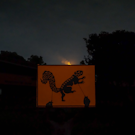
David Grubbs remembers a set by Kai Althoff's purportedly fictional band Workshop at the Steirischer Herbst festival in Graz in 1998 -- a 'kind of All About Eve without the rival', a 'coquettish singer bursting into bloom'.
Drawing on an unpublished interview with Richard Prince, in this book-length study Michael Newman analyses Prince's 1977 Untitled (couple), connecting it to ideas of allegory, simulacrum and the formation of personal identity in a society of commodity and spectacle.
Film-maker Duncan Campbell speaks to Tate curator Stuart Comer about his new film, Make it new John, a combination of documentary and fiction chronicling the automaker John DeLorean.
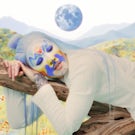
Chon Noriega looks at the work of the Chicano collective Asco in Los Angeles during the 1970s, taking stock of their performative challenges to the 'public good'.
Why has there been a turn to the cinematic in contemporary art? Art and the Moving Image traces the mutual fascination between art and film from early spatial experiments to the current use of projected images in museums and galleries.
Jess Baines looks back at London's printmaking workshops of the 1970s and 80s, DIY sites of political and community activism that rejected the traditional role of the artist to participate in a network of campaign groups, radical publishers and alternative distributors.
David Grubbs remembers a set by Kai Althoff's purportedly fictional band Workshop at the Steirischer Herbst festival in Graz in 1998 -- a 'kind of All About Eve without the rival', a 'coquettish singer bursting into bloom'.
Drawing on an unpublished interview with Richard Prince, in this book-length study Michael Newman analyses Prince's 1977 Untitled (couple), connecting it to ideas of allegory, simulacrum and the formation of personal identity in a society of commodity and spectacle.
Film-maker Duncan Campbell speaks to Tate curator Stuart Comer about his new film, Make it new John, a combination of documentary and fiction chronicling the automaker John DeLorean.
Chon Noriega looks at the work of the Chicano collective Asco in Los Angeles during the 1970s, taking stock of their performative challenges to the 'public good'.
The highly anticipated Sturtevant retrospective has now opened at the Musée d'art Moderne in Paris. Read an interview between Sturtevant and Bruce Hainley from Afterall's Summer 2008 issue here, and an essay on her appropriation work's relation to time by Belinda Bowring here.
A new instalment of Christopher Williams's ongoing For Example: Dix-Huit Leçons Sur La Société Industrielle (2002- )is up at the Bergen Kunsthall in Norway. Read an interview between Christopher Williams and Tate curator Mark Godfrey about Dix-Huit Leçons here, and an essay on Williams's photographs by Martin Prinzhorn here.